How to Defeat the Skinwalker
The Skinwalker is the single most dangerous enemy in Animal Hospital — and the only one you defeat with a weapon. Every other monster in the game is handled by a specific item or action, but a loose Skinwalker will hunt patients and players until you put it down. This guide covers prevention (the real strategy), weapons, and what to do in the moment.
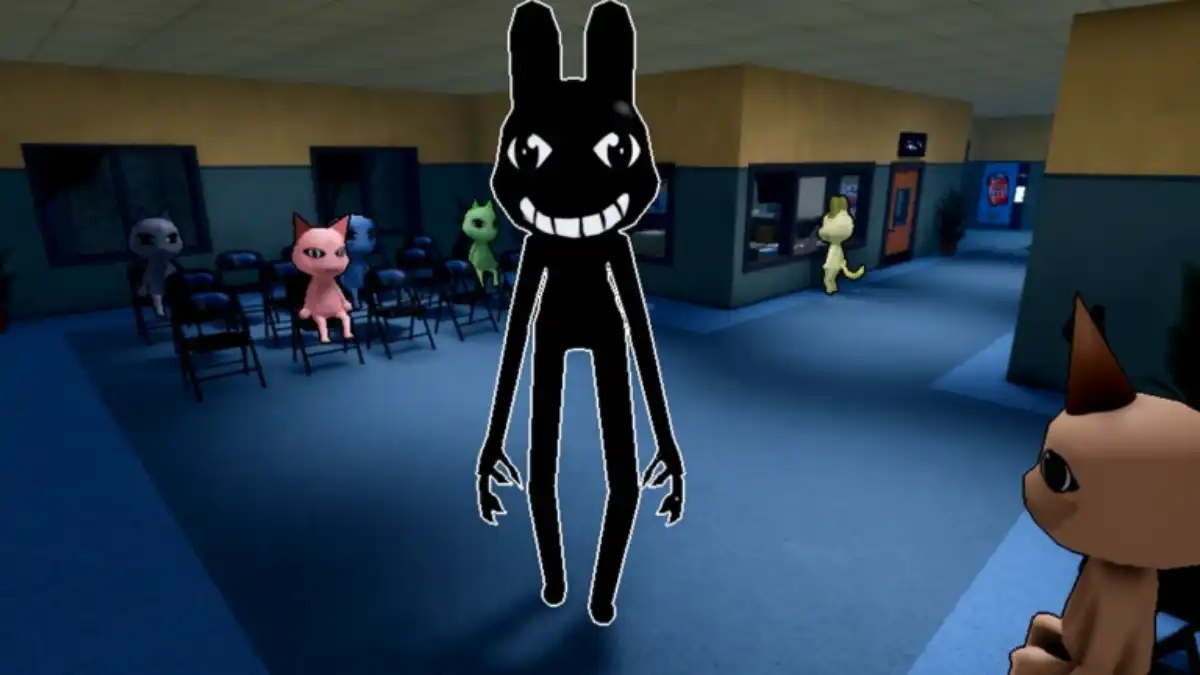
What is a Skinwalker?
A Skinwalker is what an anomaly patient turns into after you accidentally admit it. They can awaken at any moment — from the second you check them in to when they are sitting in a medical room waiting for treatment. Once active, they hunt down patients or you, and they will not stop until dealt with.
This is why the three checks at the desk matter so much. Every Skinwalker is a missed anomaly that slipped through.
Prevention: never let one spawn
The cleanest fix is to never let a Skinwalker spawn in the first place. Catch anomalies at the desk using the three checks — visual, camera, and photo — and hit the shutter button before they walk in.
If one does slip through: treating an anomaly patient in a medical room and administering the wrong item also kills it with no point penalty. So even a missed anomaly at the desk is recoverable if you recognize it in the room.
Weapons that work
Weapons only work on Skinwalkers. Do not waste ammo on any other monster — they need their specific item counter instead.
Taser / Gun
Approach with a taser or gun and defeat the Skinwalker with M1 attacks. The standard, reliable method.
No weapon? Hold E
If it is attacking a patient and you have no weapon, hold E from behind to take it down cleanly.
If it is on you directly
When a Skinwalker is attacking you and you have no weapon, press E repeatedly to break free. You will lose sanity in the process, so top up with coffee immediately after — a low sanity bar after a Skinwalker break is how runs end.
From Shift 10 onward, keep a weapon carrier on the team who stays mobile and responds the moment a Skinwalker spawns. Higher shifts spawn them more frequently, and a slow response can cost a patient or a player.